
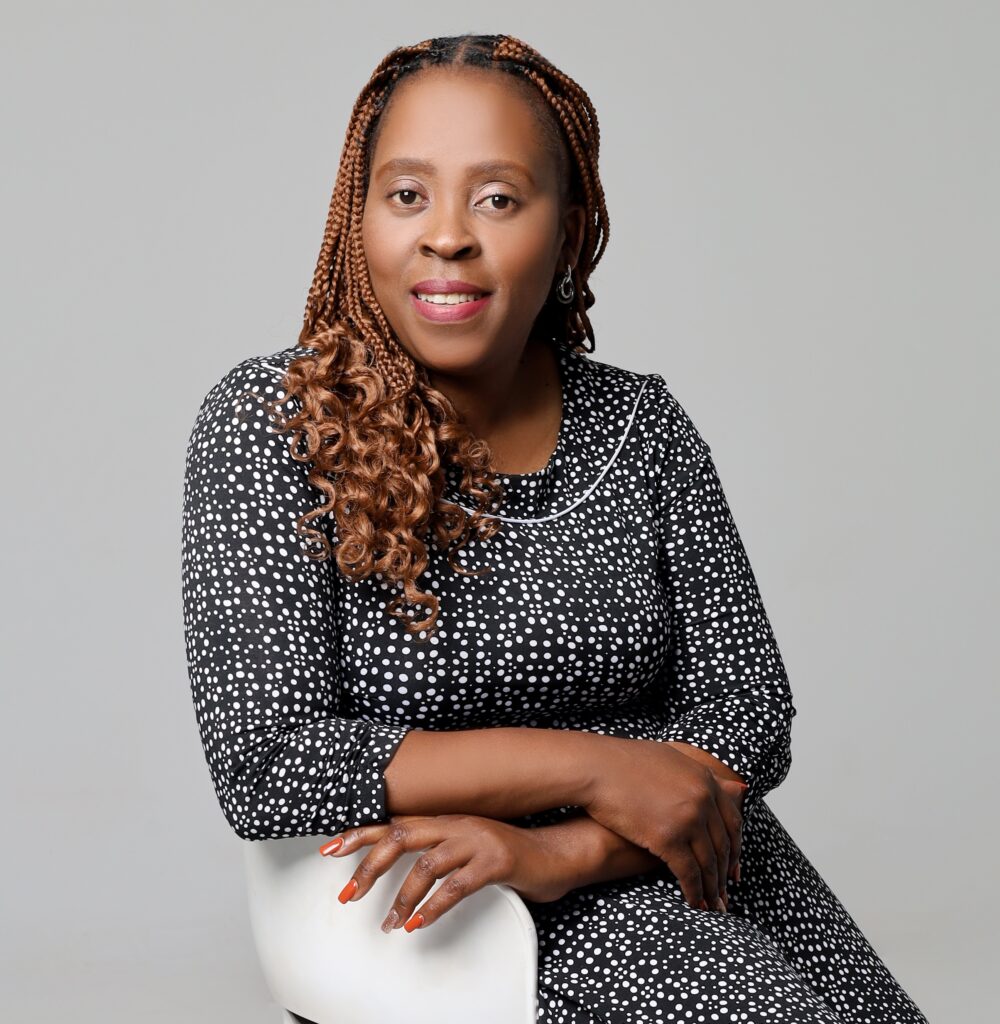
Maritime Industry Advisor, and Maritime EmpowerHer founder, Mpho Monyane entered the maritime industry more than two decades ago as a Personal Assistant at the Department of Transport in South Africa. At that time she didn’t even know what maritime was.
With a qualification in Marketing Management Diploma from the Vaal University of Technology Monyane went on to obtain a Postgraduate Diploma in Executive Maritime Management from the prestigious World Maritime University in Sweden once she understood how full of potential the industry is.
Today, she is one of the sector’s most respected voices, a mentor to young women across South Africa through her initiative Maritime EmpowerHer, an organisation dedicated to helping women navigate careers in a traditionally male-dominated industry.
What struck me most during our conversation wasn’t just her expertise. It was her deep belief in the power of mentorship.
Here are five lessons that stood out.
1. You Can’t Aspire to What You Can’t See
One of the biggest barriers facing young women in maritime isn’t talent.
It’s visibility.
Mpho believes many young people never consider maritime careers because they’ve never met someone working in the industry. They don’t know what a ship captain does. They don’t know what a maritime lawyer does. They don’t know these careers exist.
That’s why she spends so much time visiting schools, churches and community spaces talking about maritime careers.
For her, mentorship starts with visibility.
“A lot of people from inland provinces hear about maritime for the first time when we visit them.”
Lesson: Sometimes mentorship begins long before advice. It begins with showing people what’s possible.
2. Confidence Is Built Through Community
One story Mpho shared has stayed with me.
One of her mentees constantly asked herself: “Am I in the right career? Do I belong here?”
Today, that same young woman is on her way to becoming a captain.
The difference wasn’t talent.
The difference was support.
Through Maritime EmpowerHer, Mpho creates spaces where women can connect with mentors, hear from industry leaders and realise they are not alone in their struggles.
Lesson: Confidence is rarely something people find by themselves. It is often built through community.
3. Mentorship Is Not Enough. You Need Sponsorship Too.
One of the most powerful distinctions Mpho made was between mentorship and sponsorship.
A mentor gives advice.
A sponsor talks about you when you’re not in the room.
A sponsor recommends you for opportunities.
A sponsor tells decision-makers, “I know her. She can do the job.”
In industries where networks matter, sponsorship can be the difference between staying invisible and getting an opportunity.
Lesson: Every young professional needs both mentors and sponsors.
4. If The Door Doesn’t Open, Create Another One
Mpho’s leadership philosophy is simple and unapologetic.
“If those doors don’t open, I will kick them myself.”
Rather than waiting for institutions to create opportunities for women, she built Maritime EmpowerHer.
Rather than complaining about a lack of visibility, she started creating platforms for young women to be seen.
She gives mentees opportunities to organise webinars, host discussions and represent the organisation publicly because she understands that visibility creates confidence.
Lesson: Sometimes leadership means building the opportunity you wish existed.
5. Your Success Should Create Space for Others
One of Mpho’s strongest views is that being “the first” is not enough.
Too often, industries celebrate the first woman, the first Black person or the first young leader to achieve something extraordinary.
But what comes next?
For Mpho, the real question is:
“Who are you bringing along with you?”
She believes leadership should be measured not by individual achievements but by how many people you help develop.
The goal isn’t to remain the only woman in the room.
The goal is to make sure the room is full of women after you.
Lesson: Real leadership isn’t about being the first. It’s about ensuring you’re not the last.
The Bigger Takeaway
When people talk about the future of Africa’s ocean economy, they often focus on ships, ports and infrastructure.
Mpho reminded me that none of those things matter without people.
And people thrive when they are seen, supported and sponsored.
Perhaps the biggest challenge facing women in maritime isn’t a lack of talent.
It’s making sure they know they belong there in the first place.