
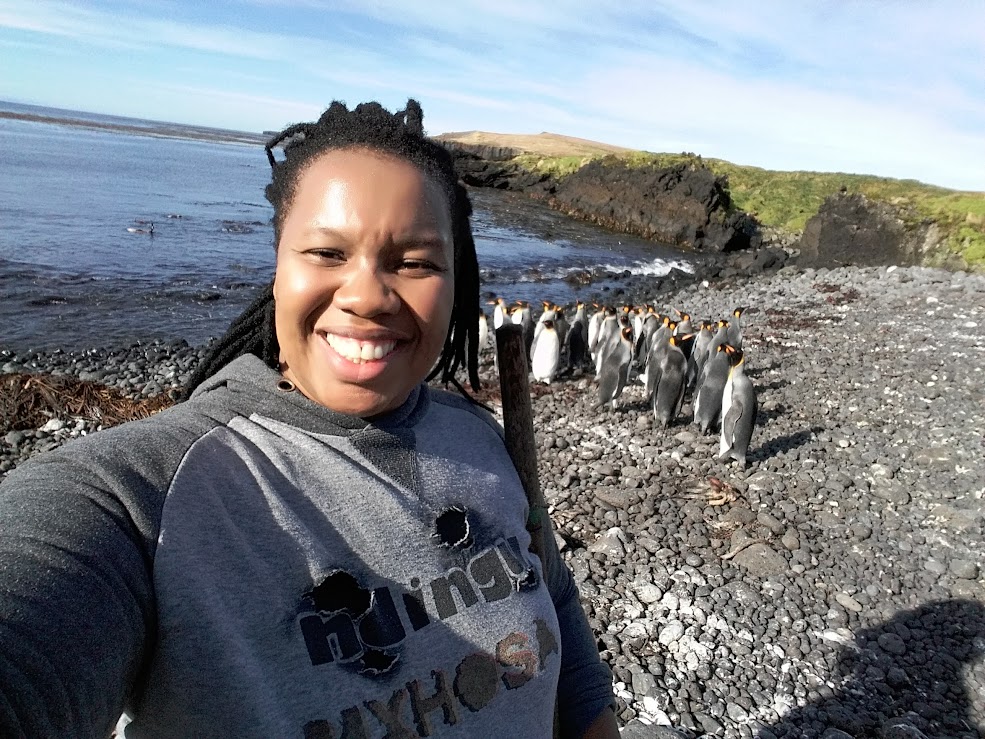
Dr. Kolisa Sinyanya is South Africa’s first Black woman to earn a PhD in observational ocean biogeochemistry. Here’s what surprised me from our conversation.
Oceanography is the scientific study of Earth’s oceans, encompassing their physical, chemical, biological, and geological processes. By understanding how oceans function, oceanographers help address global challenges such as climate change, marine conservation, sustainable resource management, and the health of coastal communities.
1. You don’t have to have your life figured out
She discovered the field almost by accident after studying Biological Sciences at Walter Sisulu University. But her Master’s in Botany at the University of Cape Town sparked her interest in organisms we cannot see with the naked eye and motivated her to pivot later to Ocean Biogeochemistry through a PhD opportunity offered at the same university.
2. Most young people don’t know oceanography exists
Most South Africans and many people in Africa simply do not know oceanography exists as a career. She argues that the lack of awareness, role models, and science communication creates a significant barrier to entry.
3. Representation changes everything
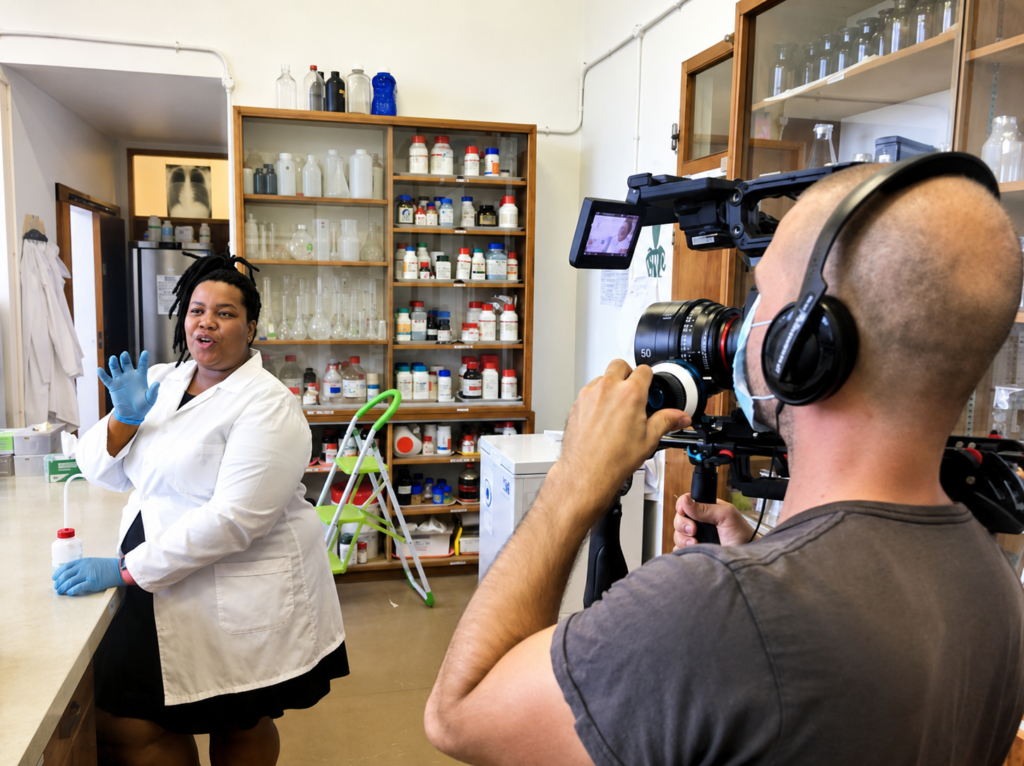
Dr. Sinyanya became the first Black South African woman to earn a PhD in observational ocean biogeochemistry. She says young people are more likely to imagine themselves in a career when they see someone who looks like them already doing it.
4. Ocean science isn’t always smooth sailing
Oceanographers go out to sea for months on huge research ships with chefs, gyms and a great community of ocean researchers from other universities. It sounds exciting.
But Dr. Sinyanya says these are not glamorous cruise trips. She spoke openly about the realities of hard work, facing discrimination and exclusion.
The ocean can be a place of discovery, but the institutions around it still have work to do.
5. There is room for entrepreneurship even in scientific research
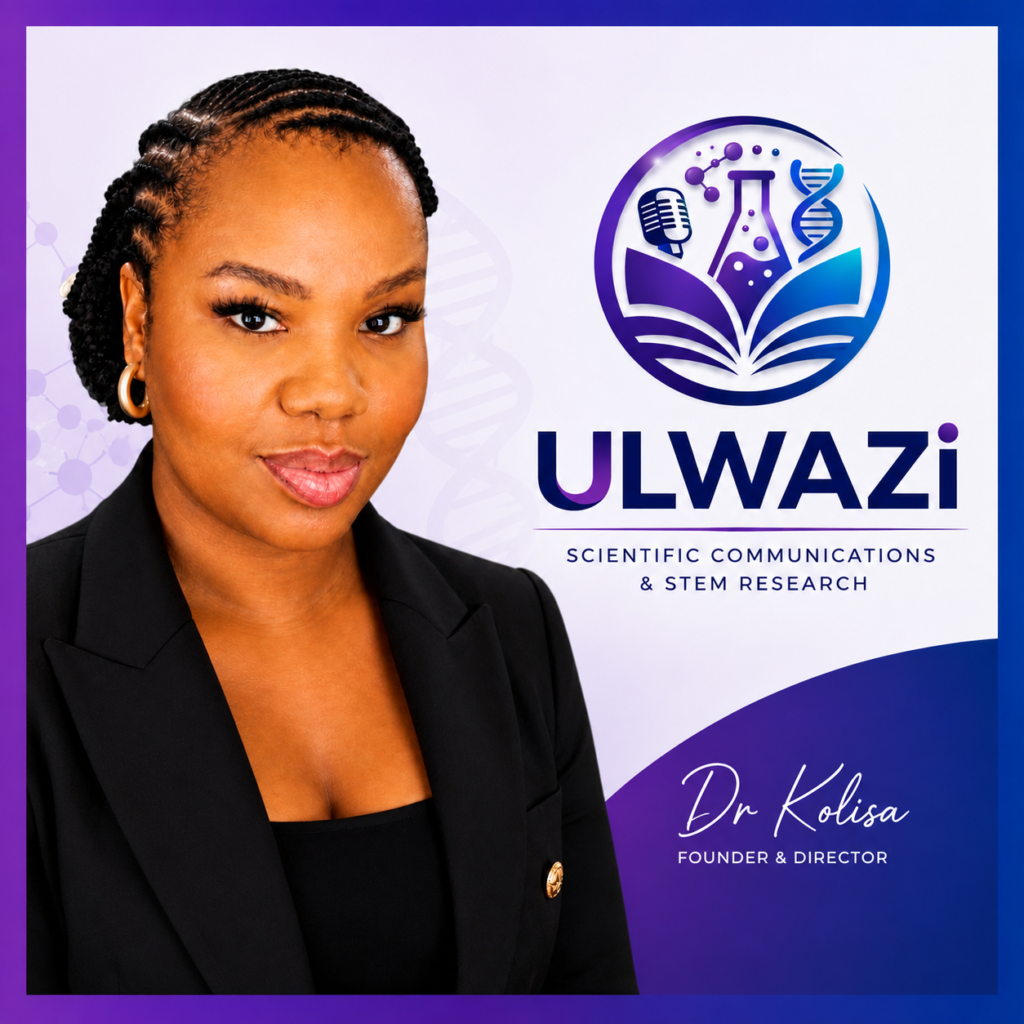
Rather than remaining in academia, she launched Ulwazi Scientific Communications and STEM Research to bridge the gap between research and society. What began as a scientific consulting firm evolved into a research-support business after she recognised a growing need among postgraduate students and researchers.