
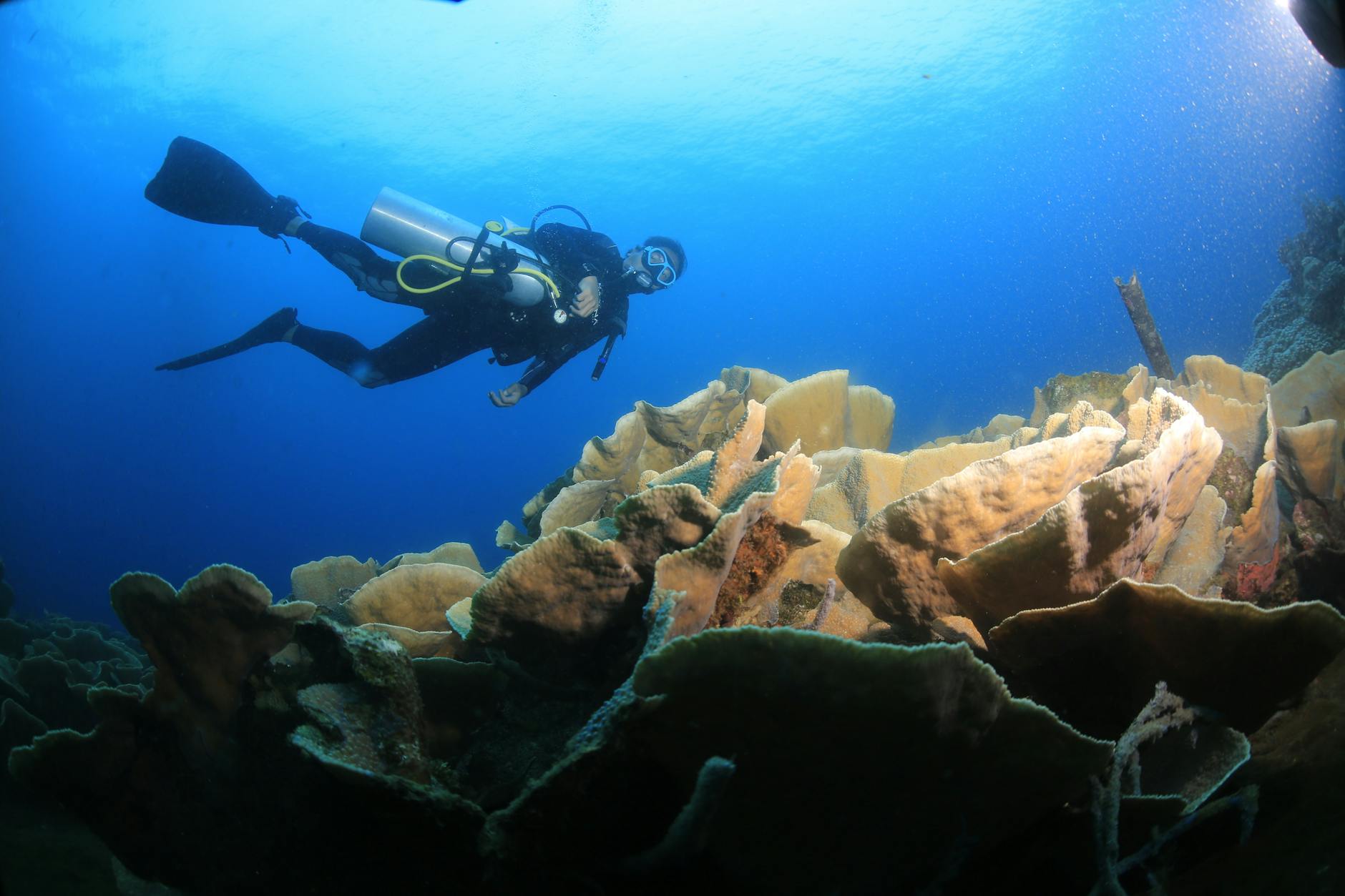
When young Africans imagine their future careers, their minds typically drift toward technology, finance, medicine, law, or digital entrepreneurship. Few ever look out at the ocean.
Yet, one of the continent’s most explosive employment engines over the next decade is unfolding along its 47,000 kilometres of coastlines, ports, rivers, and lakes. According to the African Union’s Blue Economy Strategy, Africa’s aquatic resources are projected to generate $405 billion annually and support up to 57 million jobs by 2030 [The African Union, UNDP].
While these macroeconomic statistics are impressive, they mask a deeper, human challenge: the modern blue economy remains completely invisible to the very youth meant to inherit it.
The Invisible Sector
The real story of Africa’s maritime boom is not about tonnage or trade routes; it is about human potential. Thousands of students finish school without ever realizing that computer science degrees can power smart ports, or that financial expertise is desperately needed to build global blue carbon markets.
Far from being limited to cargo ships and heavy harbours, the modern blue economy is one of the most diverse and rapidly evolving sectors on the continent. Driven by heavy national investments in countries like South Africa, Kenya, Morocco, Mauritius, Seychelles, Namibia, and Tanzania, the demand for specialized, non-traditional talent is skyrocketing.
┌────────────────────────────────────────────────────────┐
│             THE BLUE ECONOMY JOB LANDSCAPE             │
├───────────────────────────┬────────────────────────────┤
│ Smart & Green Ports       │ Data Scientists, Engineers │
├───────────────────────────┼────────────────────────────┤
│ Food & Aquaculture        │ Marine Biologists, Managers│
├───────────────────────────┼────────────────────────────┤
│ Clean Energy & Innovation │ Renewable Energy Experts   │
├───────────────────────────┼────────────────────────────┤
│ Cruise & Coastal Tourism  │ Hospitality, Wellness, Arts│
└───────────────────────────┴────────────────────────────┘
A Multitude of Career Paths
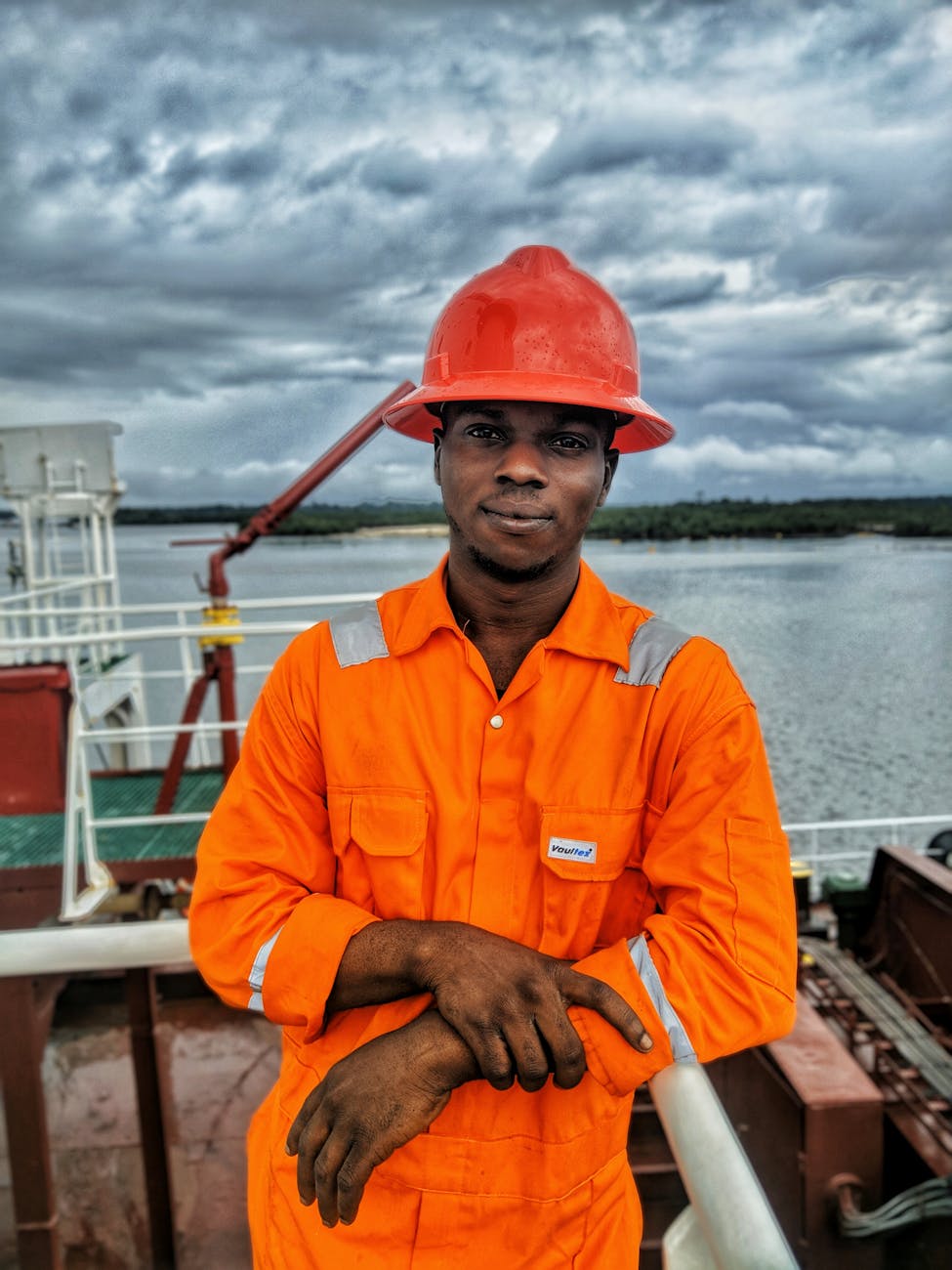
To meet the 2030 targets, African industries are actively searching for skills across three major pillars:
- Digital and Logistics Infrastructure: Ports across the continent are becoming smarter and greener. Modern maritime hubs require cybersecurity professionals, data scientists, supply chain specialists, and environmental managers.
- Sustainable Food and Energy: The rise of eco-friendly aquaculture and ocean technology is driving a need for food production specialists, marine biologists, and marine renewable energy engineers.
- Service and Coastal Hospitality: The expanding cruise tourism, yachting, and recreational sectors are massive job creators for local communities. Beyond ship captains, daily operations rely heavily on wellness professionals (massage therapists, beauticians, nail technicians), hospitality experts (baristas, culinary teams, cabin stewards), and creative talents (local musicians and tour guides).
Where to Start: Mapping Your Route to the Blue Economy
You do not need to live on a boat to build a career on the water. If you are a young African looking to break into the blue economy, here is how you can pivot your current skills today:
- If You Are in Tech & Coding: Explore maritime informatics and port logistics. Apply for internships at digital freight-forwarding startups or major port authorities like Transnet (South Africa) or the Kenya Ports Authority, which are actively automating their tracking systems.
- If You Are in Hospitality & the Arts: Look directly into international and regional cruise lines (like MSC Cruises, which recruits heavily across Africa). Update your portfolio or CV to highlight specialized certificates in culinary arts, barista training, beauty therapy, or mixology.
- If You Are an Entrepreneur: Research aquaculture and seaweed farming. Organizations like FarFish or local ocean accelerators offer grants and training for youth developing sustainable food solutions or eco-tourism startups.
- If You Are in Science & Engineering: Look for universities offering specialized maritime engineering, oceanography, or environmental management degrees. Seek out youth networks like the African Youth Networks for the Blue Economy (AYNBE) to find mentors and research fellowships.

Overcoming the Awareness Gap
Pioneers are already proving what is possible. Like South Africa’s maritime navigation officer for an international trading oil and chemical tanker, Zanele Mthembu, while Kenyan environmental entrepreneur Nzambi Matee has shown how local innovation can solve coastal plastic pollution while creating jobs.
Yet, formal education systems rarely highlight maritime careers. For the vast majority of African youth, the ocean is a place for leisure or traditional fishing, not a high-tech career path. This is why intentional storytelling and targeted career exposure matter.
As Africa marches toward 2030, the primary challenge is no longer whether the blue economy will create wealth and opportunity. The real question is whether young Africans will discover these roles in time to claim them.